
Educational Database on Botanical Components and Micronutrients
Exploring the molecular composition of plant extracts and their theoretical relationship to physical flexibility
Educational content only. No medical services. No promises of outcomes.
Conceptual Framework of Physical Mobility
Physical mobility represents a complex interplay of anatomical structures, biochemical processes, and environmental factors. The musculoskeletal system relies on various molecular components that contribute to tissue integrity and functional capacity. Understanding these foundational concepts requires examining both the structural proteins that form connective tissue matrices and the micronutrients that participate in metabolic pathways.
Contemporary research in nutritional biochemistry has identified numerous plant-derived compounds that contain specific molecular structures. These botanical extracts have been subjects of academic inquiry across European research institutions for decades. The theoretical framework surrounding these compounds focuses on their chemical composition rather than therapeutic applications.
This educational resource examines these concepts from a purely informational perspective, presenting data on molecular structures, historical research contexts, and theoretical biochemical interactions without suggesting specific applications or outcomes.
Botanical Extracts: Molecular Composition
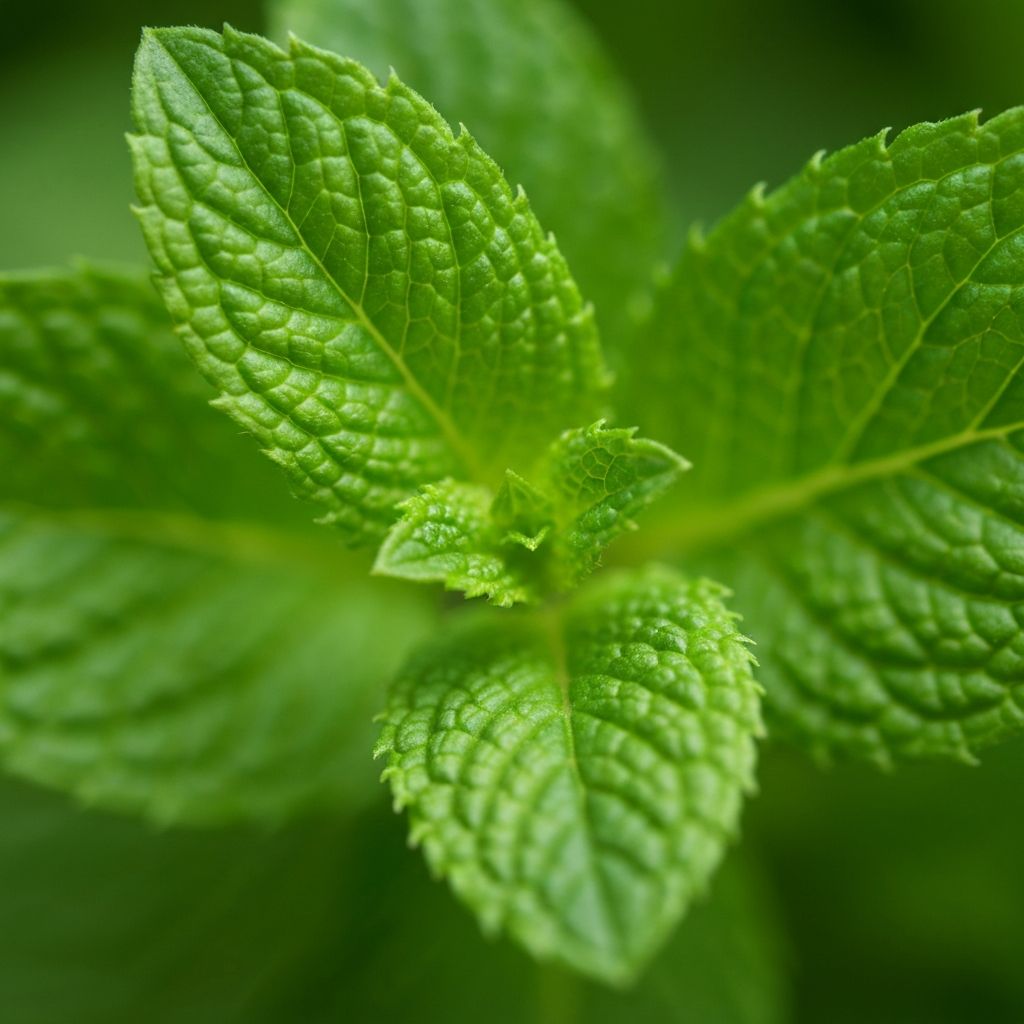
Plant-based compounds represent a diverse array of phytochemicals with distinct molecular structures. European phytochemical research has documented thousands of naturally occurring compounds found in herbs, roots, and botanical specimens. These molecules include flavonoids, terpenoids, alkaloids, and polyphenolic compounds.
The study of botanical molecular composition involves analytical chemistry techniques including spectroscopy, chromatography, and mass spectrometry. Academic institutions in Czechia and throughout Europe maintain extensive databases cataloging the chemical fingerprints of various plant species.
Understanding phytochemical diversity provides insight into the complexity of plant biochemistry. Each botanical species contains unique combinations of primary and secondary metabolites, reflecting evolutionary adaptations and environmental influences.
Information Context
The data presented here reflects academic research into plant chemistry. This content does not constitute recommendations for use or suggest specific applications. Individual responses to any botanical compounds vary significantly based on numerous factors.
Role of Minerals in Tissue Integrity
Mineral elements play fundamental roles in biological systems at the molecular level. Calcium, magnesium, zinc, and selenium participate in enzymatic reactions, structural protein formation, and cellular signaling pathways. The biochemistry of these elements has been extensively studied in nutritional science.
Trace minerals function as cofactors for numerous enzymatic processes. Zinc, for instance, is involved in over 300 enzymatic reactions throughout human metabolism. Magnesium participates in ATP synthesis and protein synthesis pathways. These are established biochemical facts documented in scientific literature.
The study of mineral bioavailability examines how different chemical forms of minerals are absorbed and utilized in biological systems. Research continues to explore the complex interactions between minerals and organic compounds in digestive processes.
Historical Context of European Phytology
The academic study of plants for their chemical properties has roots extending back centuries in European scholarship. Medieval herbaria documented plant species and their traditional uses across different cultures. The Renaissance period saw increased systematic classification efforts.
Modern phytochemistry emerged in the 19th century with advances in organic chemistry. European universities established dedicated research programs examining plant constituents. Czech lands contributed significantly to botanical sciences through researchers at Charles University and other institutions.
The 20th century brought sophisticated analytical techniques allowing precise identification of individual compounds within complex plant matrices. Contemporary phytochemical research continues this tradition of methodical inquiry into plant biochemistry.

Biomechanics of Human Movement
Human locomotion involves coordinated interaction between skeletal structures, muscular contractions, and connective tissue matrices. Biomechanical research examines force distribution, range of motion parameters, and mechanical properties of biological tissues.
Connective tissues including cartilage, tendons, and ligaments possess specific structural characteristics that determine their mechanical behavior. Collagen proteins form organized fibrillar networks providing tensile strength. Proteoglycans contribute to compressive resistance through their hydrated gel-like properties.
The study of movement patterns encompasses kinematic analysis, force plate measurements, and electromyographic recordings. Academic programs in kinesiology and biomechanics continue to refine understanding of human motion mechanics.

Analysis of Plant Bio-availability
Turmeric Constituents
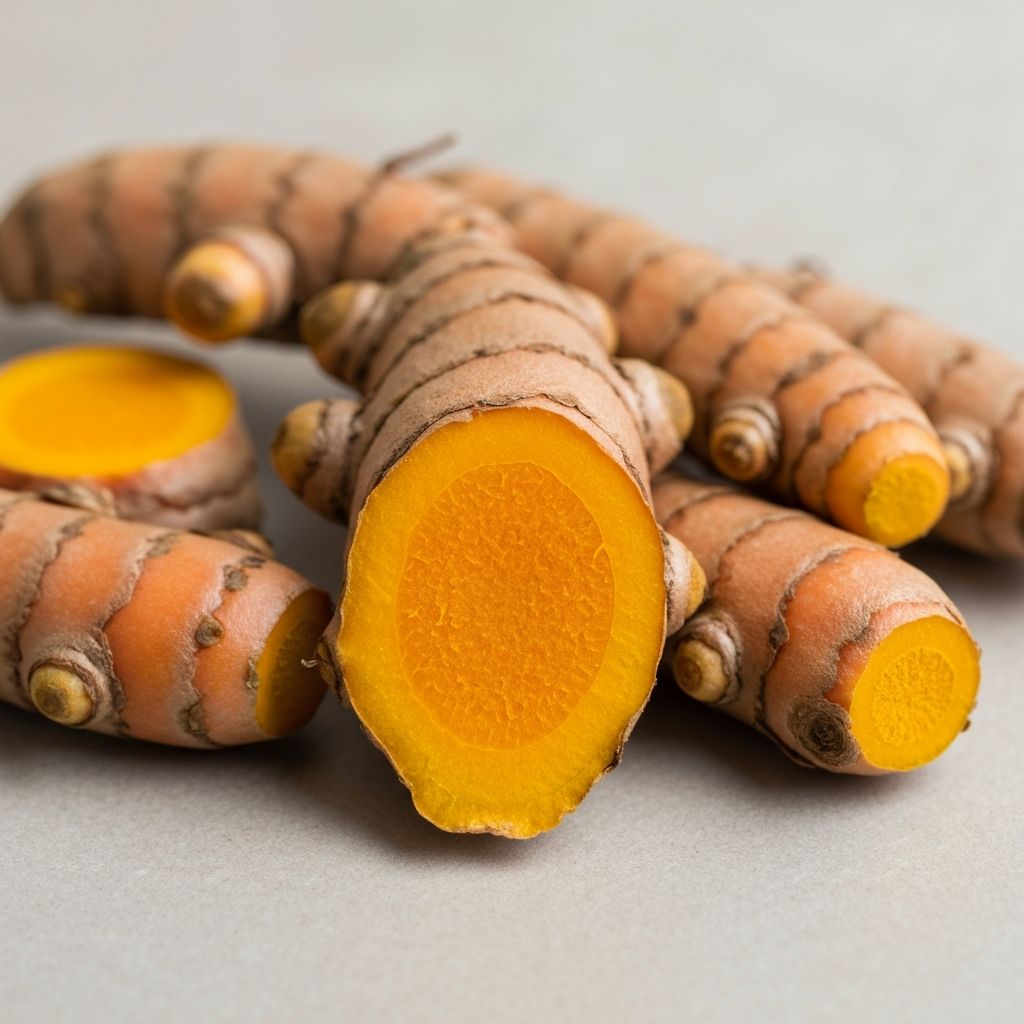
Curcuma longa contains curcuminoid compounds that have been subjects of extensive phytochemical analysis. The rhizome yields curcumin, demethoxycurcumin, and bisdemethoxycurcumin as major constituents. These polyphenolic structures exhibit low aqueous solubility, a factor relevant to bioavailability discussions.
Research literature documents the metabolism of curcuminoids through conjugation pathways in hepatic tissue. Academic studies have examined various delivery systems and formulation strategies in laboratory settings. The chemical properties of these compounds present interesting questions for pharmaceutical chemistry.
Flaxseed Components
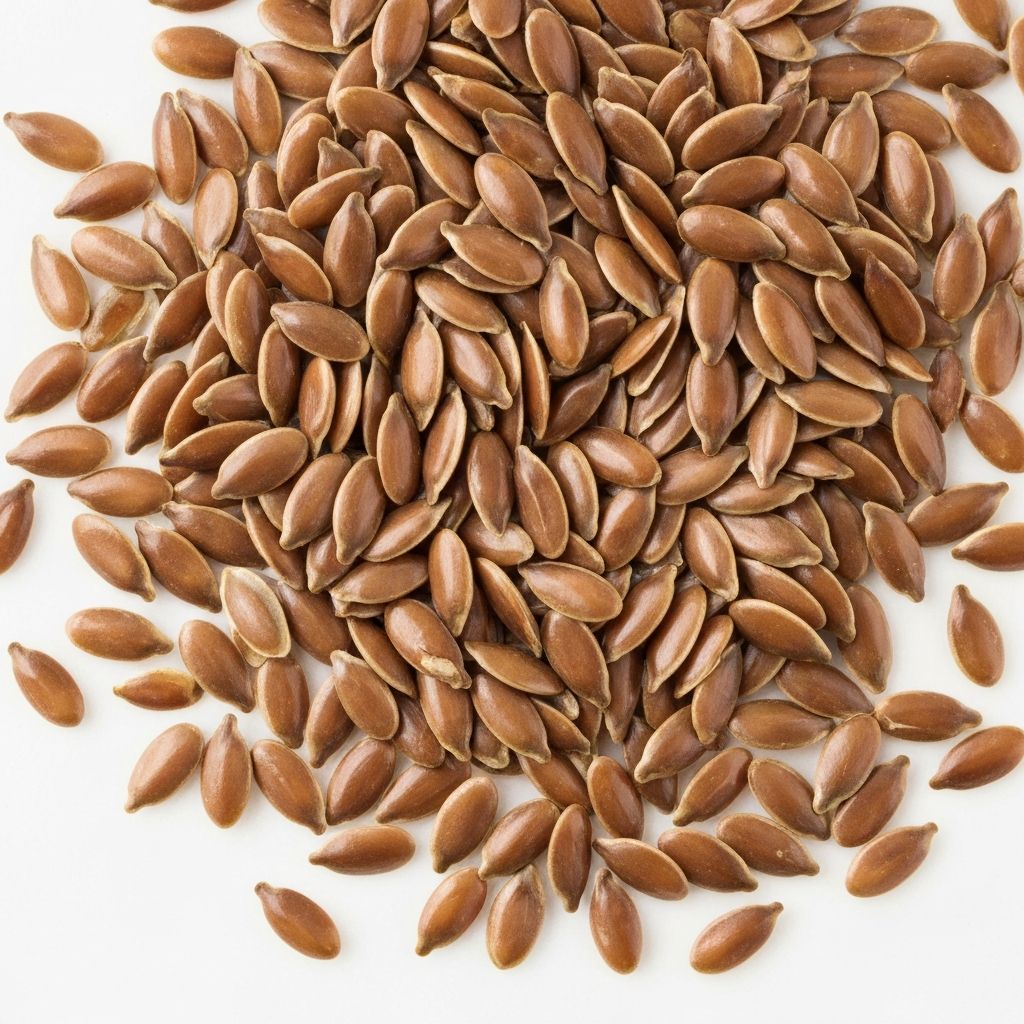
Linum usitatissimum seeds contain alpha-linolenic acid, lignans, and soluble fiber components. The omega-3 fatty acid profile of flax has been characterized through lipid analysis. Lignan compounds including secoisolariciresinol diglucoside undergo bacterial metabolism in intestinal environments.
Nutritional biochemistry examines the incorporation of polyunsaturated fatty acids into cellular membrane structures. Academic literature describes enzymatic pathways converting alpha-linolenic acid to longer-chain omega-3 derivatives. These are established biochemical processes.
Berry Phytochemicals
Berries from various plant families contain anthocyanins, ellagitannins, and vitamin C complexes. The pigment molecules responsible for berry coloration belong to the flavonoid class of polyphenols. Chemical analysis reveals diverse glycosidic structures among different berry species.
Research into berry phytochemicals examines their antioxidant capacity in vitro using various assay methodologies. The stability of these compounds under different pH and temperature conditions has been documented. Such data contributes to understanding phytochemical properties.

Environmental Factors and Body Comfort
Environmental conditions including temperature, humidity, and barometric pressure may influence perceived physical comfort. Meteorological research has documented correlations between weather patterns and various physiological measurements, though causal relationships remain subjects of ongoing study.
The concept of environmental influence on musculoskeletal sensations has been explored in academic literature with mixed findings. Some studies report associations while others find no significant relationships. This represents the typical complexity encountered in multifactorial research areas.
Access to natural outdoor environments correlates with various health indicators in epidemiological studies. Whether this reflects direct effects, confounding variables, or multiple pathways remains an area of active research inquiry.

Nutritional Support Principles
Nutritional science examines the roles of macronutrients and micronutrients in supporting physiological functions. Dietary patterns that include diverse plant foods provide arrays of vitamins, minerals, and phytochemicals. The relationship between diet composition and health outcomes has been studied extensively in epidemiological research.
Collagen proteins represent major structural components of connective tissues. The amino acid composition of collagen includes high proportions of glycine, proline, and hydroxyproline. Endogenous collagen synthesis requires vitamin C as a cofactor for hydroxylation reactions.
Various nutrients participate in the complex processes of tissue maintenance and turnover. Protein synthesis, mineral incorporation into bone matrix, and enzymatic antioxidant systems all depend on adequate nutritional substrates. These represent fundamental aspects of nutritional biochemistry.

Scientific Literacy in Wellness
Understanding health-related information requires distinguishing between different types of evidence. Randomized controlled trials, observational studies, mechanistic research, and anecdotal reports each provide different levels and types of information. Critical evaluation of sources, study designs, and claims represents an essential skill.
Academic institutions emphasize evidence-based approaches to evaluating information. This involves examining methodology, statistical analysis, peer review processes, and replication of findings. Scientific consensus develops through accumulation of evidence across multiple independent investigations.
Consumers of health information benefit from understanding basic research concepts. Recognizing the difference between correlation and causation, understanding control groups, and appreciating the role of placebo effects all contribute to informed interpretation of claims.
Educational Resources Summary
This educational database provides information on botanical chemistry, nutritional biochemistry, and related academic topics. The content reflects documented scientific data rather than recommendations or endorsements. Readers seeking to understand these topics can explore primary literature through academic databases.
European universities and research institutes continue to contribute to knowledge in phytochemistry, nutritional science, and biomechanics. Publicly accessible databases include PubMed, Google Scholar, and institutional repositories. These resources enable further exploration of specific topics.
The purpose of this resource is educational enrichment. Information presented here does not replace individualized guidance appropriate to specific situations. Understanding the science behind various concepts contributes to general scientific literacy.

Frequently Asked Questions
This database provides information about botanical compounds, micronutrients, and related biochemical concepts. The content is educational in nature, presenting academic information without recommendations or commercial purposes.
No. This resource presents theoretical and scientific information for educational purposes only. It does not endorse, recommend, or suggest specific products, protocols, or actions.
The content reflects established scientific knowledge from fields including phytochemistry, nutritional biochemistry, and biomechanics. Information is based on academic research and scientific literature.
This content is purely educational. Decisions regarding health, nutrition, or lifestyle should be based on individualized circumstances and appropriate professional consultation when needed.
The content discusses general scientific concepts and does not address specific medical conditions or individual situations. It is informational and academic in nature.
JointLogic operates as an educational information resource based in Czechia. Our mission is providing accessible scientific information for general learning purposes.
Continue Your Educational Exploration
The information presented throughout this resource represents introductory material on complex scientific topics. Those interested in deeper understanding can access primary research literature through academic databases and libraries.
Scientific knowledge continues to evolve through ongoing research. New studies contribute additional data and refine existing understandings. Engaging with scientific literature requires critical thinking and careful evaluation of evidence quality.
Contact Information
JointLogic Educational Resource
Na Florenci 2116/15
110 00 Nové Město
Prague, Czechia
Phone: +420 222 191 746
Email: [email protected]
For informational inquiries only. We do not provide consultations, recommendations, or services.